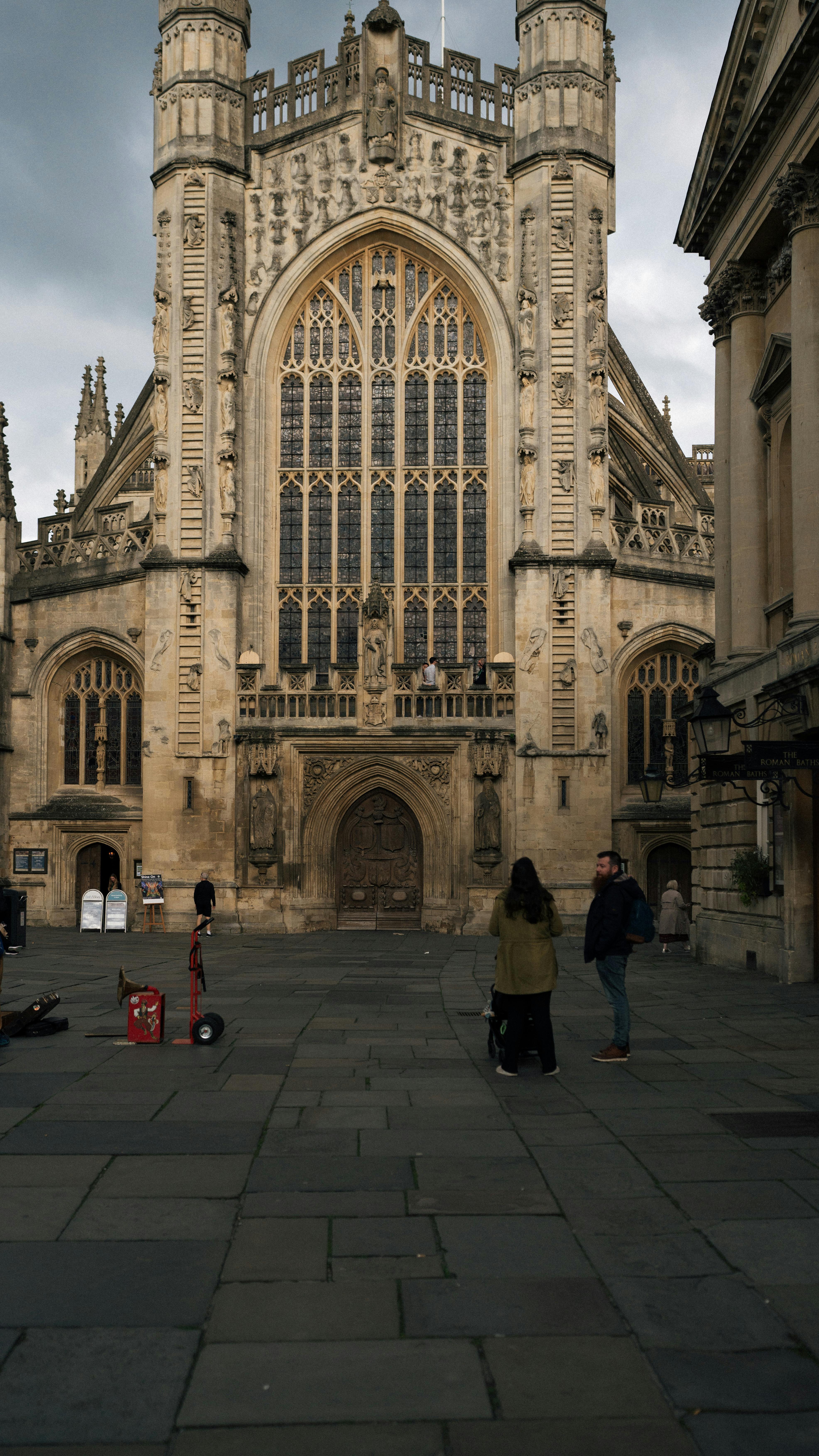
Discover the Rich Heritage of Bath: A Historic Destination in the UK
Nestled in the heart of England, Bath stands as a captivating testament to centuries of history, culture, and architectural brilliance. Known worldwide for its well-preserved Roman baths and stunning Georgian architecture, this city offers a unique glimpse into the past while maintaining its vibrant, modern charm. As a UNESCO World Heritage Site, Bath attracts travelers eager to explore its legendary landmarks, ancient ruins, and stories that have shaped its identity over the ages. The city’s rich heritage is woven into every street, stone, and corner, making it a must-visit destination for history enthusiasts and culture lovers alike.
In this article, you can expect an immersive journey through Bath’s most significant historic sites, uncovering the stories behind its iconic landmarks and learning what makes this city a truly extraordinary destination. From its Roman origins to its elegant Georgian era, Bath offers a fascinating blend of history, architecture, and cultural significance that continues to enchant visitors today. Whether you’re a history buff or simply seeking a picturesque escape, Bath promises an unforgettable experience steeped in the echoes of the past.
Discover new music as you explore new places! With Amazon Music Unlimited, you can listen to millions of songs on demand. Start your free trial today!
Roman Baths
The Roman Baths in Bath stand as one of the most remarkable and well-preserved ancient sites in Britain, offering visitors a captivating glimpse into the city’s rich history during the Roman era. Located in the heart of Bath, these baths were originally constructed around 70 AD and expanded over the next few centuries, serving as a social and religious hub for Roman citizens. Today, the site is a fascinating open-air museum that combines archaeological ruins with interactive exhibits, allowing visitors to explore the grandeur of Roman engineering and bathing culture.
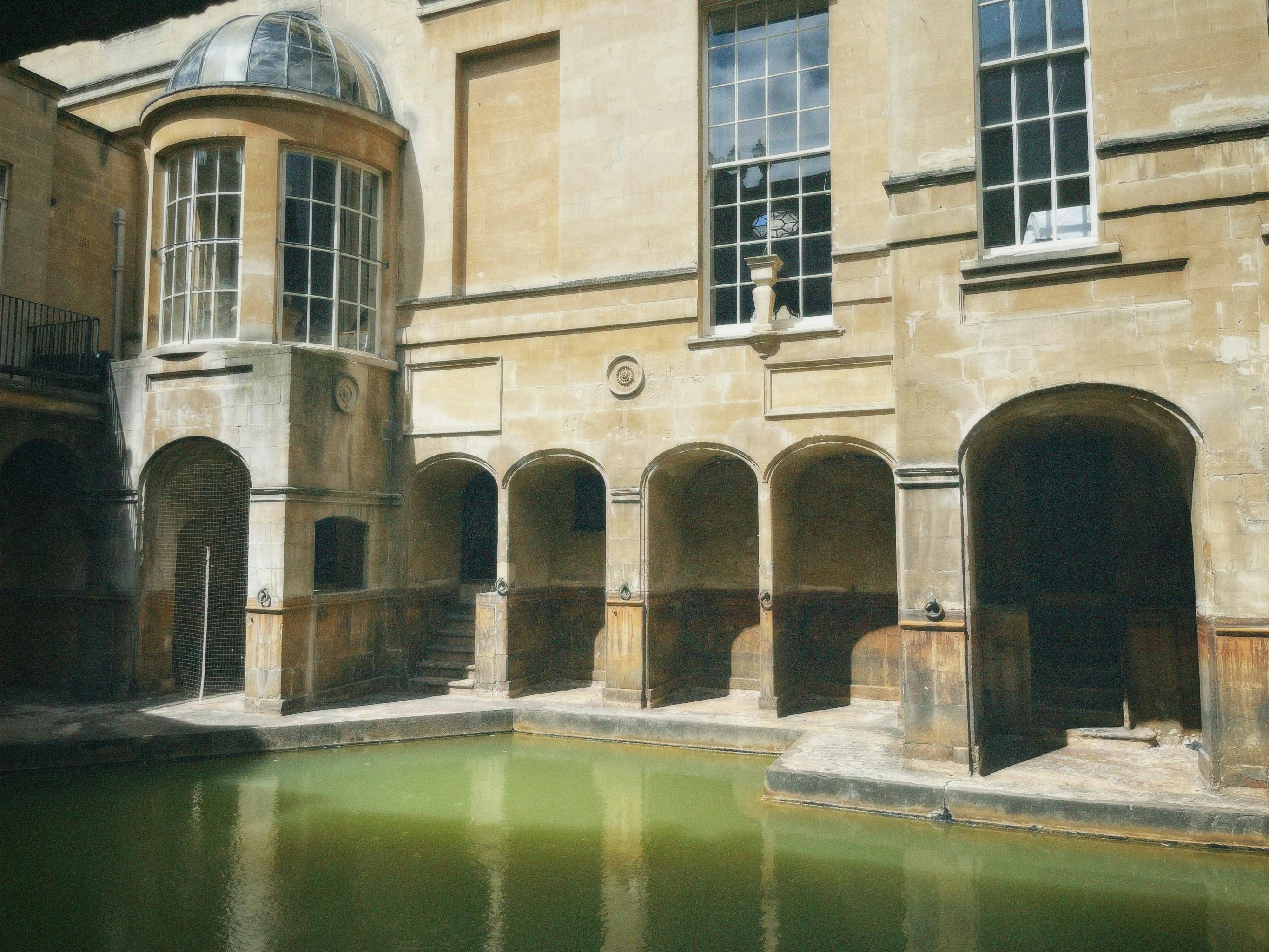
The main features of the Roman Baths include the ancient Great Bath, which is filled with natural thermal spring water, and the intricate remains of the hypocaust heating system that once kept the baths warm. Visitors can walk along the original stone pathways, admire the impressive Roman columns, and marvel at the detailed mosaics and sculptures that have survived through centuries. The site also boasts a fascinating museum where you can learn about the history of the baths, the Roman way of life, and the significance of the thermal waters that continue to flow today.
What makes the Roman Baths truly worth visiting is the opportunity to step back in time and experience an essential aspect of Roman culture. The site’s atmospheric ruins, combined with modern interpretive displays, create an immersive experience that appeals to history enthusiasts and casual tourists alike. Practical information for visitors includes opening hours from early morning to late evening, guided tours available throughout the day, and an on-site gift shop and café for refreshments. Accessibility options are in place, ensuring that everyone can enjoy this ancient marvel. Whether you’re interested in archaeology, history, or simply seeking a unique cultural experience, the Roman Baths offer a compelling journey into the past that enriches any visit to Bath.
Bath Abbey
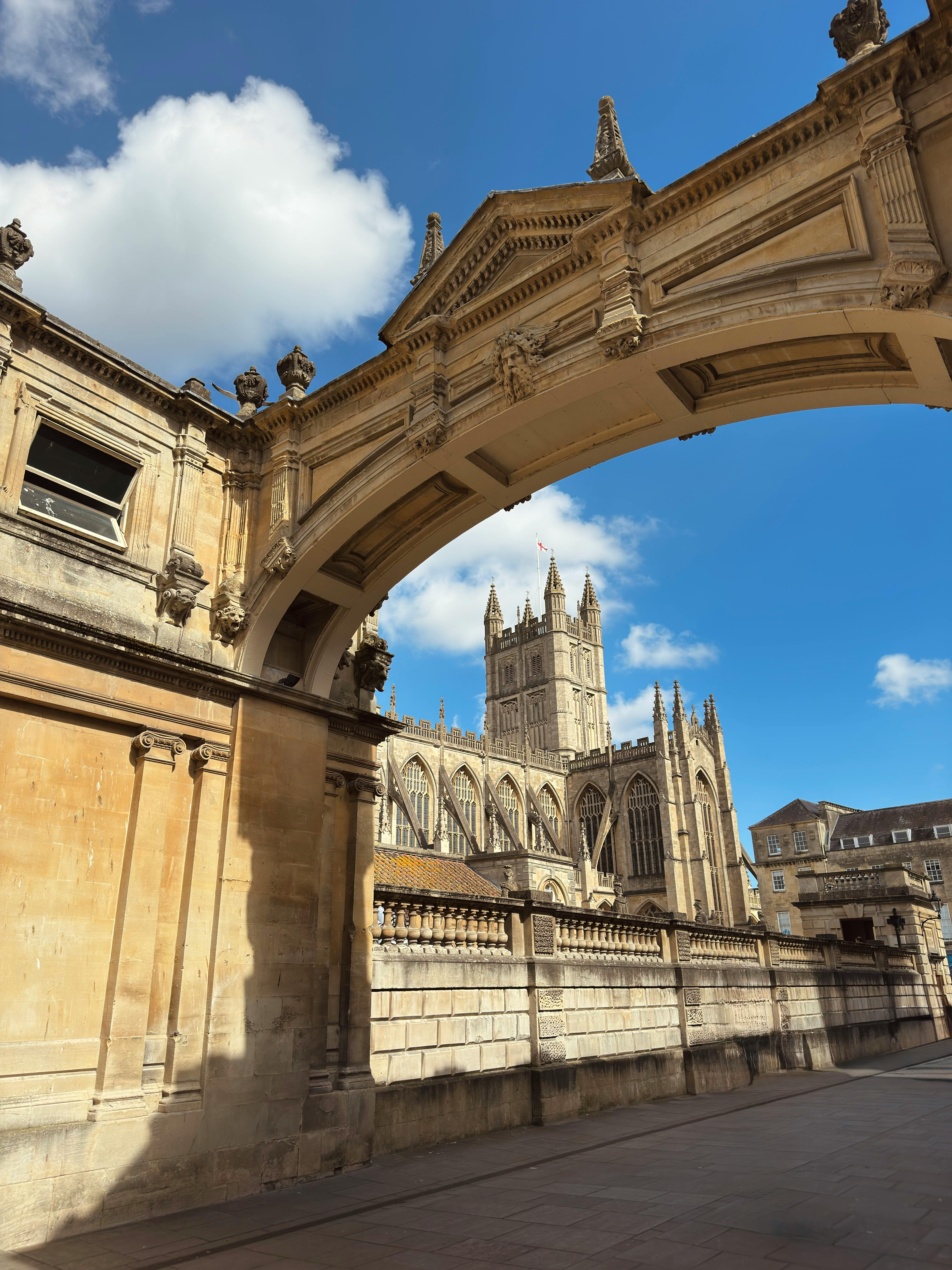
Situated at the heart of Bath’s historic city center, Bath Abbey is a stunning example of Gothic architecture and a spiritual landmark that has served the community for over a thousand years. Originally founded in the 7th century, the current structure was largely rebuilt in the 12th and 15th centuries, resulting in a majestic church renowned for its soaring fan-vaulted ceilings and intricate stonework. The Abbey’s location makes it a focal point for visitors exploring Bath’s Georgian architecture and vibrant cultural scene. Its impressive façade, with detailed carvings and large stained-glass windows, invites visitors to step inside and discover a sanctuary filled with history and artistry.
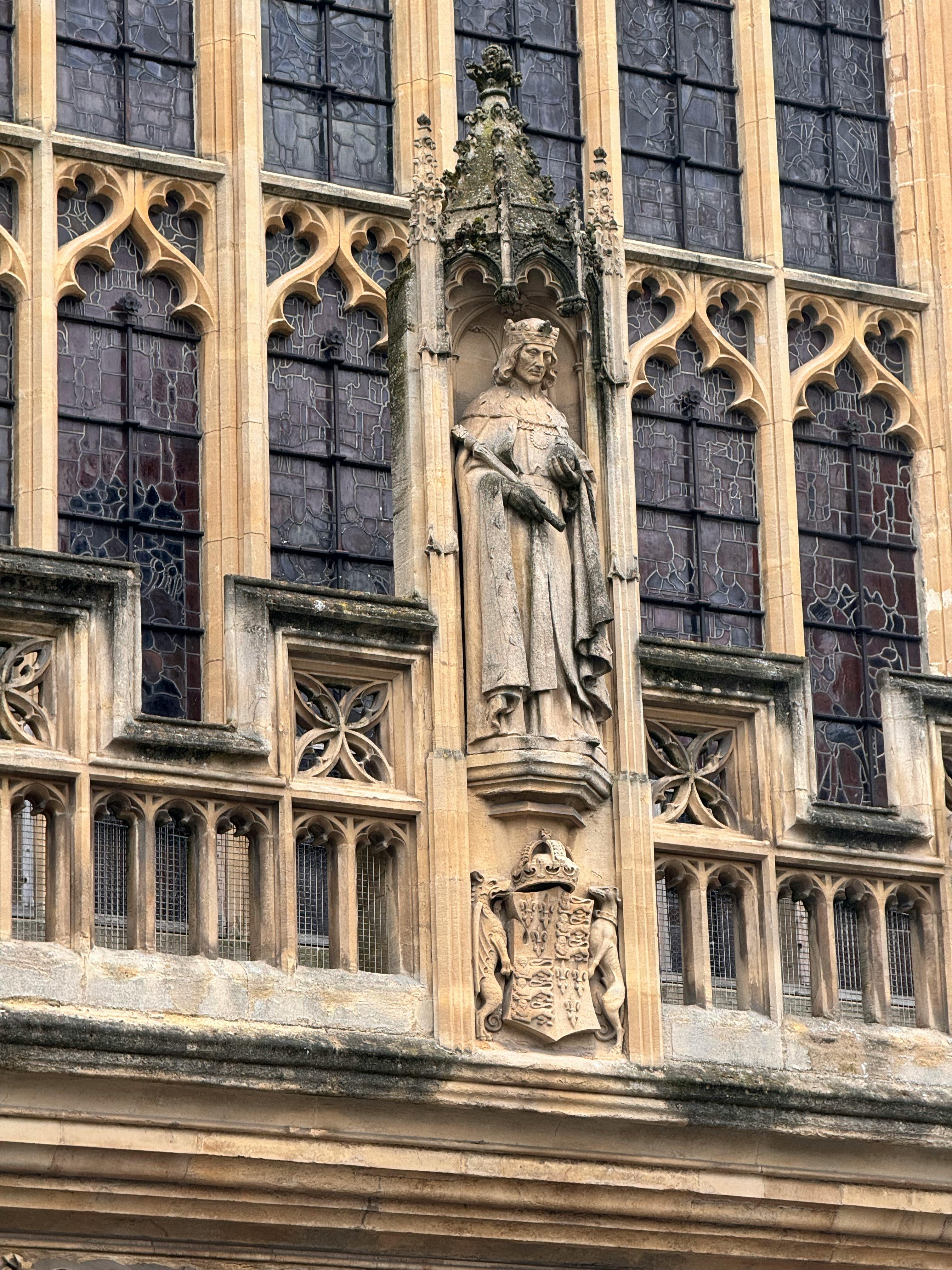
The interior of Bath Abbey is equally breathtaking, featuring a vast nave that creates an awe-inspiring atmosphere. The stained-glass windows depict biblical stories and saints, illuminating the space with vibrant colors. Notable features include the historic fan-vaulted ceiling, the intricate misericords, and the beautiful stained-glass windows that date back centuries. Visitors can also explore the abbey’s tower, which offers panoramic views of the city and surrounding countryside—an experience that combines spiritual reflection with stunning scenery.
Bath Abbey is worth visiting not only for its architectural grandeur but also for its ongoing role in community life. The abbey hosts regular services, concerts, and special events, making it a lively hub of cultural activity. Practical details include guided tours that delve into the history and architecture, as well as opportunities to attend worship or participate in choral performances. Entrance is free, although donations are appreciated, and there is a small fee for tower access. Accessibility arrangements are in place, ensuring that all visitors can enjoy this historic place of worship. A visit to Bath Abbey offers a meaningful connection to centuries of faith, art, and community, making it an essential stop for those interested in the spiritual and architectural heritage of Bath.
Royal Crescent
The Royal Crescent stands as one of Bath’s most iconic and celebrated examples of Georgian architecture, epitomizing the elegance and grandeur of 18th-century design. Located along a sweeping curve of landscaped gardens, the crescent comprises 30 terraced houses built between 1767 and 1774 under the direction of architect John Wood the Younger. This architectural masterpiece is renowned for its uniform façade, characterized by tall sash windows, Corinthian columns, and a harmonious symmetry that exemplifies the ideals of classical beauty and urban planning of its time. The Royal Crescent’s strategic location offers stunning views over the city and the lush parkland beyond, making it a popular destination for both history buffs and architecture enthusiasts.
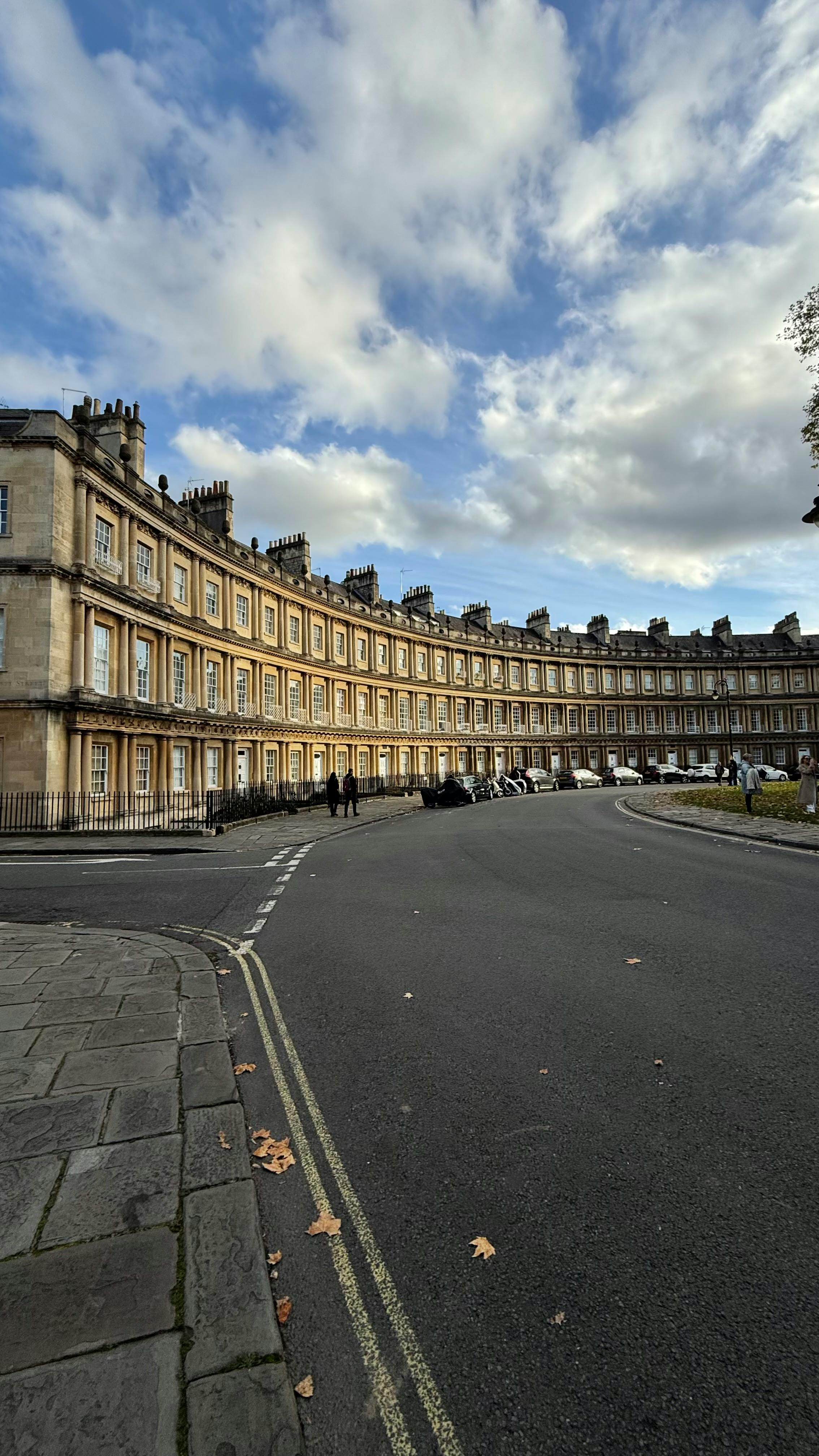
Walking along the Royal Crescent provides a sense of stepping back into a refined era of British aristocracy. The row of historic townhouses was originally designed as luxurious residences for the wealthy, and today, some of these buildings have been converted into museums, private homes, or serviced apartments. The central lawn, maintained meticulously, offers a picturesque setting for leisurely strolls or picnics, while the surrounding architecture continues to impress visitors with its impeccable symmetry and classical details. Visitors can explore No. 1 Royal Crescent, which is now a museum showcasing Georgian life, complete with period furnishings and informative exhibits that bring the past vividly to life.
Visiting the Royal Crescent is a must for those interested in architectural history and the social history of Georgian Britain. The site is accessible year-round, with guided tours available that delve into the history of the development and its significance in Bath’s urban landscape. Nearby attractions include the Circus and the Assembly Rooms, making this area a hub of cultural and historic exploration. Whether admiring the impressive façade, learning about Georgian society, or simply enjoying the scenic views, the Royal Crescent offers a unique window into Bath’s aristocratic past and its enduring architectural legacy.
The Circus
Located in the heart of Bath, The Circus is one of the city’s most iconic and architecturally impressive landmarks. Built between 1754 and 1768, this circular space was designed by the renowned architect John Wood the Elder, with later contributions from his son, John Wood the Younger. The Circus exemplifies the Georgian style of architecture, characterized by its grandeur, symmetry, and classical details. It was originally conceived as a fashionable residential area for the city’s wealthy elite, and today it remains a stunning example of 18th-century design and urban planning.
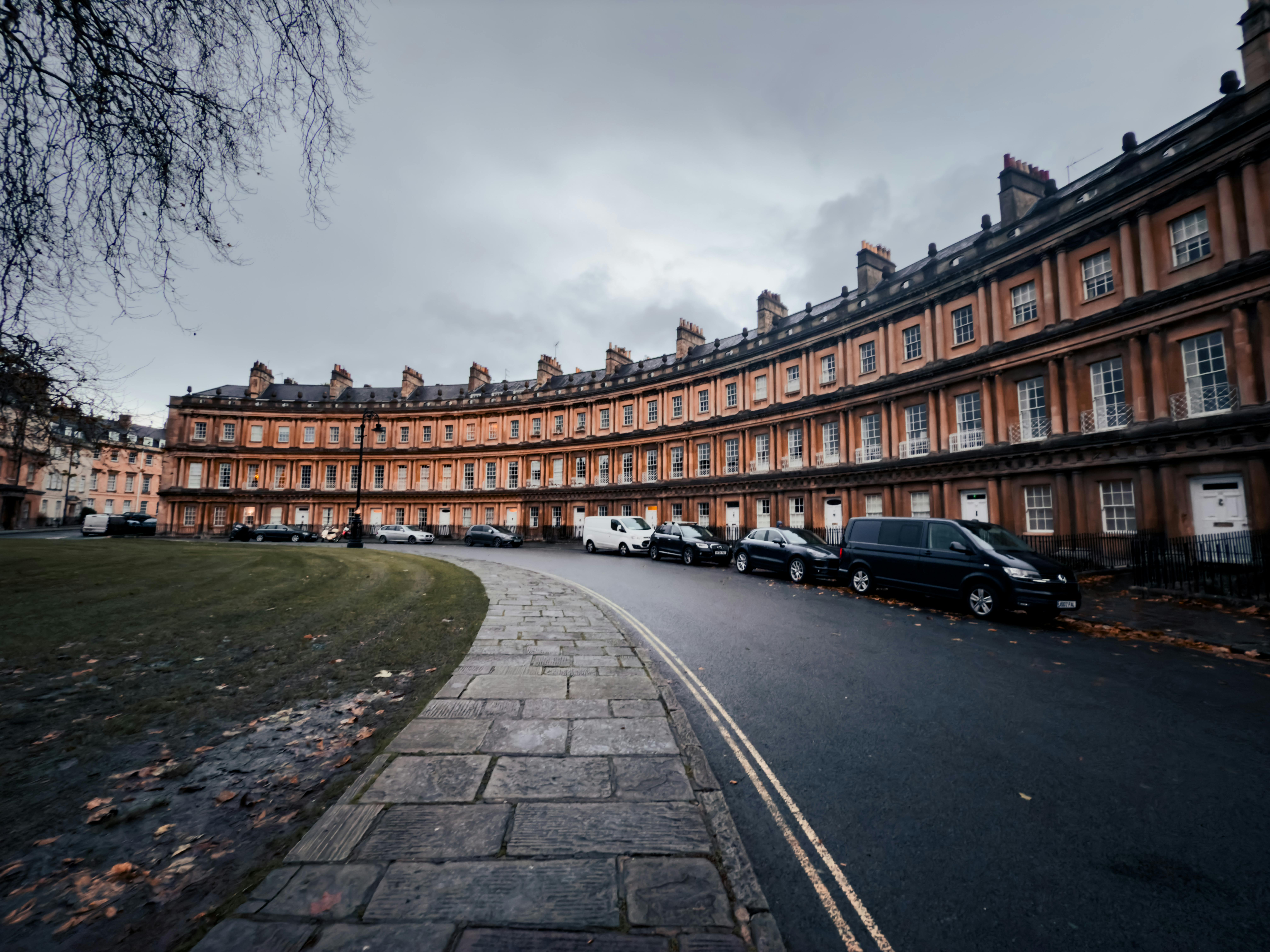
The Circus consists of three curved segments of townhouses arranged in a perfect circle, with a central, open green space that provides a peaceful retreat from the bustling city streets. The buildings are constructed from local limestone, giving them a warm, golden hue that glows beautifully in the sunlight. The facades are adorned with classical columns, pilasters, and decorative stonework, reflecting the influence of ancient Greek and Roman architecture. The design creates a sense of harmony and balance, making it a captivating sight for visitors and architecture enthusiasts alike.
One of the most remarkable features of The Circus is its meticulous craftsmanship. The uniformity of the stonework, the intricate detailing on the facades, and the carefully planned proportions all demonstrate the skill of 18th-century artisans. Walking around the circle, visitors can appreciate the seamless flow of design and the way the buildings create a sense of enclosure and intimacy, despite their grandeur.
Today, The Circus remains a vibrant residential area, but it also draws countless visitors who come to admire its historical significance and architectural beauty. It’s an ideal spot for photography, leisurely strolls, or simply soaking in the atmosphere of historic Bath. Practical tips for visitors include exploring early in the morning or late in the afternoon when the light casts a warm glow over the river and buildings. Parking is limited nearby, so consider using public transportation or walking from the city center to fully enjoy this historic masterpiece.
Pulteney Bridge
Stretching gracefully across the River Avon, Pulteney Bridge is one of Bath’s most distinctive and picturesque landmarks. Completed in 1774, this bridge was designed by the architect Robert Adam, inspired by the famous Ponte Vecchio in Florence. Its unique feature is the series of shops that line both sides of the bridge, offering a lively and charming atmosphere that has attracted visitors for centuries. The bridge’s strategic location connects the city center with the historic Bathwick area, making it an essential part of the city’s fabric.

Pulteney Bridge spans the River Avon with a series of elegant arches, each carefully crafted to provide both strength and aesthetic appeal. The upper level features a continuous walkway lined with balustrades, allowing pedestrians to enjoy stunning views of the river and the surrounding Georgian architecture. The shops on the bridge add a vibrant touch, with boutiques, cafes, and galleries occupying the historic structures, blending commerce with heritage seamlessly.
The design of Pulteney Bridge is noteworthy for its symmetry and attention to detail. The stonework is finely finished, with decorative elements such as pilasters and classical motifs that reflect the neoclassical style popular during the period. The bridge’s proportions are perfectly balanced, creating a harmonious visual impact that has made it one of the most photographed sights in Bath.
Visitors should take time to walk across the bridge, especially during the early morning or late afternoon when the light casts a warm glow over the river and buildings. The bridge is also a fantastic spot for photography, capturing reflections in the water and the bustling activity on the shops. Practical advice includes checking opening hours for the shops and cafes, as these add to the lively atmosphere. Accessibility is good, with pedestrian pathways available on both sides, making it easy for all visitors to enjoy this historic marvel.
When Is the Best Time to Visit Bath?
Understanding the Climate and Weather
Bath experiences a temperate maritime climate, characterized by mild summers and cool winters. The warmest months are typically from June to August, with average highs around 20-22°C (68-72°F). Spring (March to May) and early autumn (September to October) also offer pleasant weather, making these seasons ideal for exploring the city’s historic sites without the intense summer crowds. Conversely, winter (November to February) can be chilly, with temperatures often dipping below freezing, but this period offers a unique charm with festive events and fewer visitors.
Peak Tourist Seasons and Their Impact
The busiest time to visit Bath aligns with the summer months, especially July and August. During this period, the city is bustling with tourists eager to experience its Roman baths, Georgian architecture, and historic attractions. While the lively atmosphere can enhance your visit, it also means longer queues and higher accommodation prices.
Spring and early autumn see a moderate influx of visitors, providing a more relaxed experience while still enjoying good weather. Winter, particularly around Christmas, is less crowded, offering a more authentic and intimate encounter with Bath’s historic ambiance.
Benefits of Visiting During Off-Peak Periods
- Fewer crowds: Enjoy popular sites like the Roman Baths and Bath Abbey with minimal wait times.
- Lower prices: Accommodation and travel costs tend to drop outside peak seasons.
- Unique seasonal experiences: Winter brings festive markets, while spring and autumn showcase beautiful gardens and historic streets without the crowds.
Summary of Pros and Cons
| Timing | Pros | Cons |
|---|---|---|
| Summer (June-August) | Vibrant atmosphere, longer daylight hours, lively events | Crowded sites, higher prices, busy streets |
| Spring & Early Autumn (March-May, Sept-Oct) | Moderate crowds, pleasant weather, better prices | Variable weather, some attractions may have limited hours |
| Winter (Nov-Feb) | Fewer tourists, festive events, lower costs | Colder weather, shorter days, some attractions may close early |
Choosing the best time to visit Bath depends on your preferences for weather, crowd levels, and the kind of experience you seek. Visiting during off-peak seasons can offer a more relaxed and intimate exploration of its historic charm.
Getting to Bath: Your Guide to Exploring a Historic Destination
Bath, renowned for its stunning Georgian architecture and Roman baths, is easily accessible thanks to its excellent transportation links. Whether arriving from London, other UK cities, or abroad, multiple options make reaching this historic city straightforward.
Travel Options to Reach Bath
Flights
If you’re coming from overseas or distant parts of the UK, flying is a convenient choice. The closest major airport is Bristol Airport, approximately 20 miles from Bath. Several airlines operate flights to Bristol from European hubs and domestic cities, making it accessible for international travelers. From Bristol Airport, you can continue your journey to Bath via train, bus, or taxi.
London Heathrow and Gatwick airports are also viable options, especially for international travelers. From these airports, you can take a train or coach directly to Bath, which offers a scenic introduction to the English countryside.
Train Travel
For a comfortable and scenic journey, trains are highly recommended. Bath Spa Station is well-connected by rail, with direct services from London Paddington taking approximately 1.5 hours. Other major cities like Bristol, Cardiff, and Birmingham also offer frequent train services to Bath.
Traveling by train not only saves time but also provides an opportunity to enjoy the picturesque landscapes of southern England. Booking tickets in advance can secure better fares and availability.
Bus and Coach Services
National Express and other coach companies operate regular services to Bath from various UK cities, including London, Bristol, and Oxford. Coaches are an economical choice, especially for travelers on a budget, and typically depart from central locations, making travel convenient.
Car Rentals
Renting a car offers flexibility and the chance to explore the surrounding countryside and historic sites at your own pace. Major rental companies are available at airports and city centers. Driving into Bath is straightforward, but be aware of local traffic restrictions and parking fees.
When planning your trip, consider scenic routes and historic landmarks along the way. Remember to check local parking regulations and availability before arriving.
Useful Travel Tips and Important Information
- Book your train or flight tickets early to secure the best prices and availability, especially during peak tourist seasons.
- If traveling from London, the train offers the quickest and most scenic route, with frequent departures throughout the day.
- Public transportation within Bath is pedestrian-friendly, but taxis and local buses are available for convenience.
- For international travelers, arriving via Bristol Airport combined with a train or bus ride can be the most efficient route.
- Always check the latest travel advisories and schedules before your departure to avoid disruptions.
By choosing the right transportation method, your journey to Bath will be as memorable as the destination itself, allowing you to immerse yourself in its rich history and timeless charm from the moment you arrive.
Best Places to Stay in Bath: Accommodations for Every Budget
Bath, renowned for its rich Roman history and stunning Georgian architecture, offers a variety of accommodations that complement its historic charm. Whether you seek luxury, mid-range comfort, or budget-friendly options, this city ensures a memorable stay immersed in history and elegance. Below, explore the top choices tailored to different budgets, each providing a unique experience rooted in Bath’s historic ambiance.
Luxury Stays in Bath
For those who desire an indulgent experience, Bath’s luxury hotels provide exquisite service, historic grandeur, and impeccable amenities. The Royal Crescent Hotel & Spa stands out as an iconic choice. Nestled within the opulent Royal Crescent, this hotel offers a blend of Georgian architecture and modern luxury. Guests can indulge in a world-class spa, dine in elegant surroundings, and enjoy beautifully landscaped gardens that echo Bath’s historic elegance. Its location provides easy access to the Roman Baths and other landmark sites, making it ideal for travelers seeking both comfort and a sense of stepping back into history.
Another exceptional option is The Gainsborough Bath Spa. This hotel boasts natural thermal waters, echoing Bath’s ancient Roman origins. Its luxurious rooms, spa facilities, and proximity to historic attractions make it perfect for travelers wanting a regal experience rooted in Bath’s historic wellness traditions.
Mid-Range Comforts
If you prefer a cozy yet stylish stay, Bath offers several mid-range hotels that balance comfort with historic charm. The Abbey Hotel is centrally located, just a short walk from the Roman Baths and Bath Abbey. Housed in a historic building with modern updates, it features elegant rooms, a welcoming atmosphere, and a charming courtyard. Its convenient location and friendly service make it a favorite among travelers exploring Bath’s historic sites.
Another excellent choice is Harington’s Hotel. Situated near the city center, this boutique hotel combines Victorian architecture with contemporary comforts. Its personalized service, comfortable rooms, and proximity to major attractions ensure a memorable stay immersed in Bath’s historic environment.
Budget-Friendly Options
Travelers seeking affordability without sacrificing the historic experience will find plenty of budget-friendly accommodations. Staying in Bath Youth Hostel offers a vibrant, social atmosphere with clean, simple rooms. Located within walking distance of key attractions, it’s perfect for backpackers or solo travelers eager to explore Bath’s history without overspending.
For a more traditional budget stay, consider The Z Hotel Bath. This modern, compact hotel provides stylish rooms at an affordable rate, with easy access to the Roman Baths and the city center. Its contemporary design contrasts with Bath’s historic architecture, offering a fresh perspective on the city’s timeless charm.
| Budget Level | Recommended Accommodation | Highlights |
|---|---|---|
| Luxury | Royal Crescent Hotel & Spa | Georgian grandeur, spa, historic gardens |
| Luxury | Gainsborough Bath Spa | Thermal waters, elegant rooms, historic wellness |
| Mid-Range | The Abbey Hotel | Central location, historic building, courtyard |
| Mid-Range | Harington’s Hotel | Victorian charm, boutique style, friendly service |
| Budget | Staying in Bath Youth Hostel | Affordable, social atmosphere, central location |
| Budget | The Z Hotel Bath | Modern, compact, great value |
Bath’s accommodations blend historic ambiance with modern comforts, ensuring every traveler finds a suitable place to stay. Whether opting for a luxurious retreat or a budget-friendly option, each provides an authentic experience of the city’s timeless appeal.
Essential Travel Products for Visiting Bath
1. Waterproof Travel Backpack
For travelers exploring Bath’s historic streets and scenic surroundings, a durable, waterproof backpack is an invaluable asset. The Osprey Ultralight Dry Sack Backpack combines lightweight design with high water resistance, ensuring your belongings stay dry regardless of the weather. Its 20-liter capacity provides ample space for essentials like a camera, guidebook, water bottle, and a light jacket. The backpack features multiple compartments, making organization effortless, and padded shoulder straps enhance comfort during long walks through the city’s cobbled streets or along the River Avon.
What makes this backpack especially useful in Bath is its ability to withstand sudden rain showers, common in the UK climate, without compromising your gear. Its compact size also makes it easy to carry while touring historic sites such as the Roman Baths or the Royal Crescent. You can purchase it from outdoor retailers like REI or Amazon, both offering competitive prices and reliable shipping options.
2. Portable Power Bank with Solar Charging
Exploring Bath’s rich history often involves long days of sightseeing, which can drain your device batteries quickly. The Anker PowerCore Solar 20000 offers a perfect solution. This high-capacity portable charger features solar panels that allow you to recharge it outdoors, making it ideal for extended days wandering around historic landmarks. Its 20,000mAh capacity can fully charge smartphones multiple times, ensuring you stay connected, capture photos, and access navigation apps without worry.
Additionally, its fast-charging technology reduces downtime, and its rugged design withstands outdoor conditions. Whether you’re touring the ancient Roman Baths, strolling through the Georgian architecture, or enjoying scenic views from Alexandra Park, this device guarantees your gadgets remain powered. Available on Amazon and other electronics retailers, this power bank is a must-have for tech-savvy travelers seeking reliability and convenience.
Shop our favorite travel gear on Amazon
Guidebooks for Exploring Historic Destinations in Bath
1. “Bath: A City Guide” (Kindle Unlimited & Audible)
This comprehensive guide offers an in-depth look at Bath’s most iconic historic sites, from the Roman Baths to the stunning Georgian architecture. It provides detailed walking routes, historical context, and insider tips that help visitors appreciate the city’s rich heritage. The book’s engaging narrative makes it an excellent companion for first-time visitors eager to uncover hidden gems and understand Bath’s evolution through centuries.
Available on Kindle Unlimited and Audible, this guide allows travelers to explore Bath at their own pace, whether reading on a device or listening during a scenic walk. Its practical advice on local dining, accommodations, and lesser-known attractions enriches the experience, making it a valuable resource for history enthusiasts.
2. “Historic Destinations in the UK: Bath” (Kindle Unlimited & Audible)
This book is part of a series dedicated to Britain’s most historic cities. It offers a detailed overview of Bath’s ancient origins, architectural marvels, and cultural significance. The narrative delves into the city’s Roman roots, the development of its famous hot springs, and the impact of Georgian design. It also provides practical tips for visiting each site, including opening hours, ticketing information, and suggested itineraries.
Listening to this book via Audible or reading on Kindle Unlimited allows travelers to immerse themselves in Bath’s history while on the move. It’s especially beneficial for those who prefer audio guides, as it brings the city’s stories to life through vivid storytelling, enriching every step of the journey.
3. “The Essential Guide to Bath’s Historic Landmarks” (Kindle Unlimited & Audible)
This guide emphasizes the architectural and archaeological marvels that define Bath’s historic landscape. It covers key sites such as the Bath Abbey, Pulteney Bridge, and the Jane Austen Centre, providing fascinating insights into their historical contexts. The book also explores lesser-known sites that often escape the typical tourist trail, offering a more nuanced understanding of the city’s layered history.
Perfect for travelers who enjoy detailed background stories, this guide enhances visits with interesting anecdotes and expert commentary. With options to listen or read on Kindle Unlimited and Audible, it caters to different learning styles and schedules, making it easier to plan a meaningful exploration of Bath’s historic treasures.
Get expert travel tips and books for free – try Kindle Unlimited now.
Frequently Asked Questions About Historic Destinations in Bath, UK
What makes Bath a unique historic destination in the UK?
Bath stands out as a captivating historic city because of its well-preserved Roman and Georgian architecture, combined with a rich cultural heritage. The city’s origins date back to Roman times when it was known for its natural hot springs, which still draw visitors today. The Georgian era transformed Bath into an elegant spa city, evident in its stunning crescents, terraces, and the famous Royal Crescent. This blend of ancient and more recent history offers a layered experience for travelers interested in architecture, archaeology, and cultural history. Additionally, Bath’s UNESCO World Heritage status underscores its global importance as a historic site.
What are the must-visit historic sites in Bath?
Visitors should not miss several iconic landmarks that epitomize Bath’s historic charm. The Roman Baths are the city’s centerpiece, offering a fascinating glimpse into ancient Roman life and engineering. The Bath Abbey, with its stunning Gothic architecture, is another must-see site, often hosting historical and cultural events. The Royal Crescent and The Circus are exceptional examples of Georgian architecture, showcasing the city’s 18th-century grandeur. For a deeper understanding of Bath’s history, the Jane Austen Centre provides insight into the life of the famous author who lived in the city. Exploring these sites provides a comprehensive view of Bath’s layered history spanning over two millennia.
Is it practical to visit multiple historic sites in one day?
Absolutely. Bath’s compact city center makes it easy to explore several historic sites within a day. Walking is the most convenient way to navigate between attractions, and most key sites are within a 15-20 minute walk of each other. To maximize your visit, consider starting early at the Roman Baths, then strolling through the Georgian streets to the Royal Crescent and The Circus. Many visitors also opt for guided tours or combined tickets that include entry to multiple sites, saving time and money. Remember to wear comfortable shoes, as cobbled streets and historic pathways are common. Planning your route in advance ensures you experience the highlights without feeling rushed.
Are there any practical tips for visiting Bath’s historic sites?
Yes, here are some helpful tips to enhance your visit:
- Book tickets in advance to avoid long lines, especially during peak seasons.
- Check opening hours as some sites close earlier in winter or for maintenance.
- Use the Bath Visitor Centre for maps, guided tours, and local advice.
- Consider a guided tour to gain deeper insights into Bath’s history and architecture.
- Bring a camera to capture the stunning architecture and scenic streets.
- Dress appropriately for the weather, especially if visiting outdoor sites like the Royal Crescent.
What is the best time of year to visit Bath for its historic ambiance?
Spring (April to June) and early autumn (September to October) are ideal times to experience Bath’s historic ambiance. During these months, the weather is generally mild, and the city is less crowded than in summer. Visiting in spring allows you to enjoy blooming gardens and vibrant street life, while autumn offers a quieter atmosphere with beautiful fall foliage. Summer (July and August) is popular but can be busy, especially around major festivals. Winter visits, especially during the festive season, offer a magical experience with Christmas markets and holiday lights illuminating the historic streets. Regardless of when you visit, Bath’s timeless charm remains captivating year-round.
Enjoy Your Historic Journey in Bath
Bath’s rich history offers an immersive experience that combines ancient Roman engineering with elegant Georgian architecture. Whether you’re a history enthusiast or a casual traveler, exploring Bath’s historic sites promises a memorable journey through time. Remember to plan ahead, embrace the city’s charming streets, and immerse yourself in its storied past for an enriching experience.
Cashback on Expedia, Booking.com & more – start saving today!
Discover the Timeless Charm of Bath’s Historic Destinations
Bath stands as a captivating testament to the rich history and architectural grandeur of the United Kingdom. From its renowned Roman Baths to the stunning Georgian crescents, the city offers a unique journey through centuries of cultural heritage. Visitors can marvel at the ancient thermal springs that once attracted Roman visitors, and then explore the elegant streets lined with historic buildings that tell stories of aristocracy and innovation. The city’s heritage sites are not only visually impressive but also provide deep insights into the social and political history of the region.
One of the most compelling aspects of Bath is its ability to blend history with modern life seamlessly. Today, the city remains a vibrant hub for culture, arts, and wellness, making it a perfect destination for those seeking both education and relaxation. Whether you are strolling through the Roman ruins, admiring the intricate architecture of Bath Abbey, or enjoying a spa experience in the historic waters, each moment immerses you in the city’s timeless allure.
Why Explore Bath’s Historic Destinations?
- Experience the convergence of Roman history and Georgian elegance
- Discover hidden gems and lesser-known sites that enrich your visit
- Enjoy a vibrant cultural scene rooted in centuries of tradition
- Learn about the city’s influential role in British history
Now is an excellent time to plan your visit. Dive deeper into Bath’s captivating past and uncover the stories that shaped this historic city. Whether for a day trip or a longer stay, exploring Bath’s historic destinations promises an unforgettable experience. Don’t just read about history—live it. Start your adventure today and immerse yourself in the timeless charm of Bath.