Canterbury: A Timeless Journey Through England’s Historic Heart
Discover the Rich Heritage of Canterbury, UK
Nestled in the picturesque landscapes of southeastern England, Canterbury stands as a captivating testament to centuries of history, faith, and culture. This charming city seamlessly blends ancient traditions with vibrant modern life, making it a must-visit destination for history enthusiasts and curious travelers alike. Its storied past is etched into every stone, from its iconic cathedral to its medieval streets, offering visitors a unique glimpse into England’s rich heritage. Whether wandering through centuries-old alleyways or marveling at architectural masterpieces, travelers will find themselves immersed in a world where history comes alive. Canterbury’s allure lies not only in its well-preserved sites but also in its ability to evoke a sense of timelessness, inviting exploration and reflection. In this article, we will take you on an engaging journey through Canterbury’s most significant historic destinations, revealing what makes this city a true jewel of the UK’s heritage landscape. Prepare to uncover stories that have shaped the nation and discover why Canterbury remains a beacon of history and culture.

Traveling soon? Stream millions of songs anywhere – free trial!
Canterbury Cathedral
Canterbury Cathedral stands as one of England’s most iconic and historically significant religious sites. Located in the heart of Canterbury, Kent, the cathedral has been a pilgrimage destination for over a thousand years and is renowned for its stunning architecture, spiritual heritage, and cultural importance. As the mother church of the Anglican Communion, it serves as the seat of the Archbishop of Canterbury, making it a symbol of religious unity and history.

The cathedral’s origins date back to 597 AD, though much of the current structure was built during the 11th and 13th centuries. Its magnificent Gothic façade, intricate stained glass windows, and towering spires create a breathtaking skyline. Visitors are often captivated by the stunning West Front, adorned with detailed sculptures and statues depicting biblical stories and saints. Inside, the cathedral boasts a vast nave, soaring vaulted ceilings, and a labyrinth of chapels, each with its own unique history and artistry.
One of the most notable features is the Shrine of Thomas Becket, the martyr whose murder inside the cathedral in 1170 drew pilgrims from across Europe. The shrine, once a focal point of medieval pilgrimage, remains a symbol of faith and resilience. The medieval cloisters, with their peaceful courtyards and intricate stonework, offer a tranquil retreat for visitors seeking reflection and history.
Visiting Canterbury Cathedral is a journey through centuries of religious and architectural evolution. Practical information includes guided tours, daily services, and special events that deepen understanding of its rich heritage. The cathedral is accessible year-round, with facilities for visitors and a gift shop offering religious artifacts and souvenirs. Whether you are interested in history, architecture, or spiritual reflection, Canterbury Cathedral offers an immersive experience that highlights its enduring significance as a historic destination.
St. Augustine’s Abbey
Situated just a short walk from Canterbury Cathedral, St. Augustine’s Abbey is a remarkable site that offers a glimpse into the early Christian history of England. Founded in 598 AD by St. Augustine, the abbey was established as one of the country’s earliest centers of religious life and learning. Today, the ruins stand as a testament to medieval monastic life and the enduring influence of Christianity in the region.

The abbey’s remains include impressive stone walls, the foundations of the church, and the cloister, which once formed the heart of monastic activity. Visitors can walk through the extensive ruins, imagining the bustling life of monks who once inhabited the site. The visitor center provides detailed information about the abbey’s history, archaeological discoveries, and its role in spreading Christianity across England. The site also features interpretive displays that bring to life the spiritual and cultural significance of the abbey during its prime.
One of the highlights is the ancient chapter house and the remains of the church’s nave, which reveal the architectural style of early medieval monastic buildings. The tranquil gardens surrounding the ruins are perfect for reflection, offering a peaceful setting that complements the historical atmosphere. The abbey’s connection to St. Augustine makes it a pivotal destination for those interested in the origins of Christianity in England.
Practical details include guided tours, educational programs, and regular events that explore the site’s archaeological and spiritual heritage. The site is open throughout the year, with facilities for visitors and a small gift shop. Visiting St. Augustine’s Abbey provides a profound insight into the spiritual foundations of Canterbury and the wider history of medieval monasticism, making it a must-see for history enthusiasts and pilgrims alike.
Westgate Gardens
Located along the River Stour, Westgate Gardens is a lush, picturesque park that offers a perfect blend of natural beauty and historic charm. This tranquil oasis is situated in the heart of Canterbury, just a short stroll from the cathedral and city center. The gardens have been a cherished part of Canterbury’s landscape since medieval times, serving as a peaceful retreat for residents and visitors alike.

The gardens are renowned for their beautifully maintained lawns, ancient trees, and vibrant flowerbeds that bloom throughout the seasons. The meandering River Stour adds a scenic backdrop, with footbridges and pathways inviting visitors to explore and enjoy the natural surroundings. The Westgate Towers, a prominent medieval gatehouse, overlook the gardens and provide a glimpse into Canterbury’s historic defenses. Climbing to the top of the towers offers panoramic views of the city and the surrounding countryside, making it a popular activity for visitors seeking a bit of adventure.
Throughout the year, Westgate Gardens hosts various events, including open-air concerts, art displays, and seasonal festivals. The gardens are also perfect for picnics, leisurely walks, or simply relaxing by the water. The tranquil environment encourages reflection and appreciation of Canterbury’s rich history and natural beauty. For families, there are playgrounds and open spaces for children to enjoy, making it a versatile destination for all ages.
Accessibility is well considered, with well-maintained paths suitable for wheelchairs and strollers. The gardens are open year-round, with free entry, making it an accessible and affordable way to experience Canterbury’s historic charm. Whether you’re seeking a peaceful escape, a scenic walk, or a glimpse into the city’s medieval past, Westgate Gardens offers a delightful and immersive experience that highlights Canterbury’s enduring appeal as a historic destination.
Canterbury Roman Museum
The Canterbury Roman Museum offers a fascinating glimpse into the city’s ancient past, showcasing the remnants of Canterbury’s Roman heritage. Located in the heart of the historic city, the museum is housed within a beautifully restored medieval building that complements its archaeological treasures. Visitors can explore a rich collection of artifacts, mosaics, and interactive displays that bring to life the bustling Roman settlement of Durovernum Cantiacorum, which once thrived here nearly two thousand years ago.

Upon entering the museum, visitors are greeted by a reconstructed Roman street scene, complete with shopfronts and everyday objects that depict daily life during Roman times. The highlight of the museum is the well-preserved Roman mosaic floor, which is one of the most exquisite examples in Britain. This stunning mosaic, decorated with intricate geometric patterns and mythological motifs, offers a vivid insight into Roman artistry and craftsmanship. The museum also features a comprehensive collection of Roman pottery, coins, tools, and jewelry, providing a comprehensive understanding of the economic and cultural life of the period.
One of the key attractions is the interactive display that explains the Roman conquest and the subsequent integration of Britain into the Roman Empire. Visitors can learn about the city’s strategic importance, its role as a regional hub, and the influence of Roman architecture on Canterbury’s development. The museum’s educational programs are especially popular with families and school groups, offering engaging activities that deepen understanding of ancient history.
Practical information for visitors includes accessible facilities, guided tours, and a gift shop selling replicas of Roman artifacts. The museum is centrally located, making it easy to combine with visits to other historic sites in Canterbury. Opening hours are typically from morning until late afternoon, and tickets are reasonably priced, making it an accessible and enriching experience for all ages. Whether you are a history enthusiast or simply curious about Canterbury’s ancient roots, the Roman Museum offers a captivating journey back in time that highlights the city’s enduring historical significance.
Westgate Towers
The Westgate Towers stand as one of Canterbury’s most iconic medieval landmarks, symbolizing the city’s rich history and strategic importance during the Middle Ages. Situated at the northern entrance to the city’s historic walls, this impressive structure dates back to the late 14th century and has served various roles over the centuries, including a defensive stronghold, a prison, and a ceremonial gateway. Today, the towers are a popular attraction, offering visitors a chance to step into Canterbury’s medieval past and enjoy panoramic views of the city.
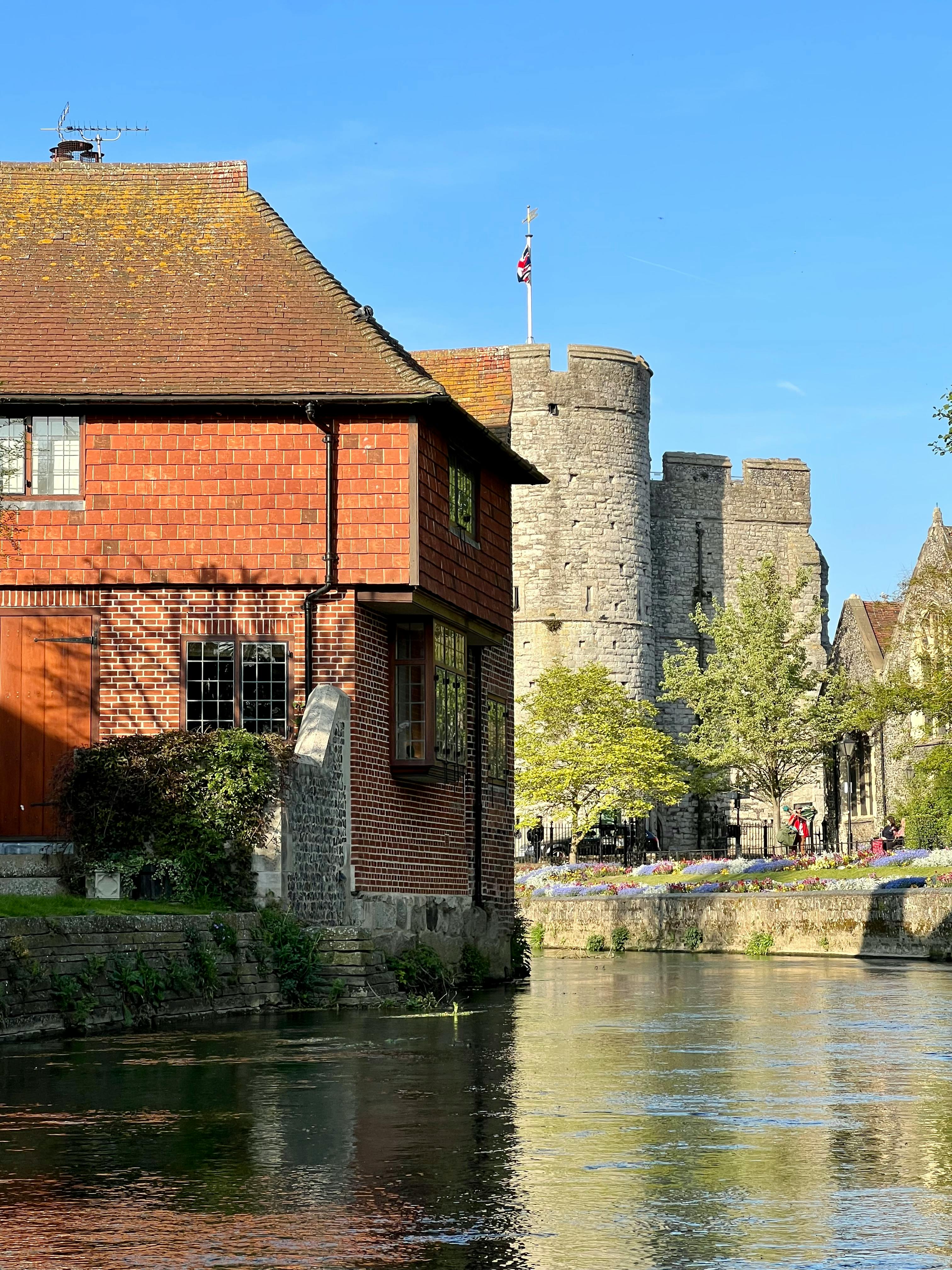
The Westgate Towers are renowned for their commanding architecture, featuring a massive gatehouse with battlements, arrow slits, and a fortified tower that has withstood the test of time. Visitors can explore the interior of the towers, which houses a museum dedicated to Canterbury’s medieval history. Exhibits include original weaponry, armor, and historical documents, providing a vivid narrative of the city’s defenses and civic life during the Middle Ages.
A highlight of the visit is climbing to the top of the towers, where a viewing platform offers breathtaking views of Canterbury’s historic rooftops, the cathedral spires, and the surrounding countryside. The towers also host regular reenactments, medieval fairs, and educational events, making each visit a lively and immersive experience. The site’s central location makes it easily accessible from other key attractions within the city, such as Canterbury Cathedral and the medieval city walls.
For practical details, guided tours are available, often led by knowledgeable guides who share fascinating stories about Canterbury’s medieval history. The towers are open seasonally, and admission is modest, making it an affordable way to deepen your understanding of the city’s historic defenses. Whether you are a history buff or a casual visitor, the Westgate Towers offer a compelling journey into Canterbury’s medieval legacy, offering both educational insights and stunning vistas that capture the essence of this historic city.
When Is the Best Time to Visit Canterbury?
Weather Considerations
Canterbury experiences a temperate maritime climate, with mild summers and cool winters. The warmest months are typically from June to August, with average temperatures between 15°C and 20°C. During this period, the weather is generally pleasant, ideal for exploring historic sites like Canterbury Cathedral and St. Augustine’s Abbey. Conversely, the winter months from December to February tend to be cooler, often dropping below 5°C, with occasional rain and wind. If you prefer exploring without the crowds and don’t mind the cooler weather, late autumn (October and November) can also be quite charming, with fewer tourists and a quieter atmosphere.
Peak Tourist Seasons
The peak tourist season in Canterbury coincides with the summer months, especially from late June through August. During this time, the city is bustling with visitors, particularly those interested in its rich history and cultural festivals. School holidays and the warmer weather attract families and international travelers, which can make popular sites crowded. Although this period offers lively events and longer opening hours, it also means higher prices for accommodation and more crowded attractions.
Off-Peak Benefits
Visiting during the shoulder seasons—spring (March to May) and early autumn (September to October)—offers distinct advantages. These months typically feature milder weather, fewer tourists, and better accommodation deals. Moreover, the city’s historic landmarks are less crowded, allowing for more intimate and immersive experiences. Autumn, in particular, offers stunning scenery with leaves changing color, providing a picturesque backdrop for exploring Canterbury’s ancient streets and architecture.
Summary of Pros and Cons
| Time of Year | Pros | Cons |
|---|---|---|
| Summer (June – August) |
|
|
| Spring (March – May) |
|
|
| Autumn (September – October) |
|
|
| Winter (November – February) |
|
|
Ultimately, the best time to visit Canterbury depends on your preferences. For those seeking vibrant cultural experiences and warm weather, summer is ideal. However, if you prefer a quieter, more contemplative journey through its historic sites, shoulder seasons offer a perfect balance. Planning your visit according to these considerations can help you make the most of your experience in Canterbury.
Getting to Canterbury: A Guide to Reaching this Historic Destination
Canterbury, renowned for its medieval cathedral and rich history, is a captivating destination that attracts visitors from around the world. Whether you’re coming from abroad or nearby cities, understanding your travel options ensures a smooth journey to this historic gem. Below, you’ll find comprehensive information on how to reach Canterbury using various modes of transportation, along with helpful tips to enhance your travel experience.
Flights to Canterbury
If you’re traveling internationally, the nearest major airport is London Heathrow, approximately 90 miles from Canterbury. From Heathrow, you can take a train or bus directly to Canterbury, providing a convenient entry point for overseas visitors. Alternatively, London Gatwick and London Stansted airports also serve as accessible options, especially if you find a better flight deal. Once you arrive at any of these airports, the most efficient way to reach Canterbury is via train or coach.
Train Travel to Canterbury
One of the most popular and scenic ways to reach Canterbury is by train. The city’s main station, Canterbury West, is well-connected to London and other major cities. Trains from London St Pancras International typically take around 1 hour 30 minutes, offering a comfortable and efficient journey through the scenic Kent countryside. Trains from other regional hubs like Dover or Ashford are also frequent and reliable, providing flexible options for travelers.
Bus and Coach Services
For those traveling from nearby towns or cities, bus services provide an affordable and straightforward option. National Express and other regional operators run regular coach services to Canterbury from London, London airports, and other parts of Kent. Buses are especially useful for budget travelers or those who prefer not to drive.
Driving and Car Rentals
If you prefer the flexibility of exploring at your own pace, renting a car is an excellent choice. Canterbury is easily accessible via the M2 motorway and A2 road, which connect directly to London and the Channel ports. Having a car allows you to visit surrounding historic sites and scenic countryside at your leisure. When renting a vehicle, consider booking in advance to secure the best rates and vehicle options.
Useful Travel Tips and Important Information
- Plan your journey ahead, especially during peak tourist seasons, to avoid delays.
- Check train and bus schedules in advance, as they may vary on weekends and holidays.
- Consider purchasing tickets online for discounts and to skip queues.
- If arriving by train, confirm whether you need to transfer at a different station for your final leg.
- Be mindful of parking regulations if you decide to drive into the city center.
Overall, traveling to Canterbury offers a variety of options suited for different preferences and budgets. Whether you choose to fly, take a train, hop on a bus, or drive, each route offers a unique way to begin your journey into the heart of one of England’s most historic destinations.
Where to Stay in Canterbury: Accommodations for Every Budget
Canterbury, renowned for its stunning medieval architecture and rich history, offers a variety of lodging options that allow visitors to immerse themselves fully in its historic charm. Whether you seek luxury, mid-range comfort, or budget-friendly stays, the city provides accommodations that enhance your experience of this captivating destination.
Luxury Options: Indulge in Historic Elegance
For travelers seeking a luxurious experience rooted in Canterbury’s historic ambiance, the following options stand out:
- The Canterbury Cathedral Lodge
- The Old Government House Hotel & Spa
This elegant hotel is nestled within the grounds of Canterbury Cathedral, offering guests unmatched proximity to the city’s most iconic landmark. Its rooms boast traditional decor with modern comforts, and many feature views of the cathedral or the peaceful cloisters. Staying here provides a unique chance to sleep within a living piece of history, making it ideal for those who want a luxurious yet authentic experience.
Located just a short walk from the cathedral, this 18th-century Georgian mansion combines historic architecture with contemporary luxury. The spa facilities, fine dining options, and elegant rooms make it perfect for travelers seeking relaxation amid historic surroundings. Its classic charm and top-tier amenities ensure a memorable stay.
Mid-Range Stays: Comfort with a Historic Touch
If you prefer a balance of comfort and affordability, Canterbury offers several charming options:
- ABode Canterbury
- The Falstaff Hotel
This boutique hotel blends Victorian architecture with modern design, situated near the city center. Its stylish rooms and cozy atmosphere make it a popular choice for those wanting to explore Canterbury’s historic sites without sacrificing comfort. The hotel’s proximity to landmarks like the Westgate Towers enhances its appeal.
Established in the 19th century, this charming hotel features traditional decor and a welcoming ambiance. Located within walking distance of Canterbury’s historic attractions, it offers a cozy, historic feel at a reasonable price. Its classic pub-style bar also provides a taste of local hospitality.
Budget-Friendly Options: Affordable Comfort in Historic Settings
Travelers on a budget can still enjoy Canterbury’s historic atmosphere through these affordable accommodations:
- YHA Canterbury
- The King’s Arms
This modern hostel provides clean, simple dorms and private rooms. Its central location makes it easy to explore Canterbury’s medieval streets and landmarks. The communal spaces foster a sense of community, perfect for solo travelers or groups seeking budget-friendly stays.
A traditional pub with simple rooms, The King’s Arms offers a warm, welcoming environment steeped in local history. Its location near the cathedral and other historic sites makes it an excellent choice for budget-conscious travelers eager to experience Canterbury’s historic charm without overspending.
In conclusion, Canterbury’s accommodations cater to all preferences and budgets, each offering a unique window into the city’s historic spirit. From luxurious lodges within sacred grounds to cozy hostels on medieval streets, every stay can deepen your connection to this timeless destination.
Essential Travel Products for Visitors to Canterbury
1. Canterbury Compact Travel Umbrella
When exploring Canterbury’s rich historic sites, unpredictable weather can be a challenge. A compact travel umbrella, such as the RainShield Ultra-Compact Umbrella, offers a practical solution. This umbrella is designed with a lightweight frame, making it easy to carry in your bag or pocket at all times. Its durable canopy is made from water-resistant fabric, ensuring you stay dry during sudden rain showers typical of the Kent climate.
What sets this umbrella apart is its quick-automatic open and close mechanism, allowing you to deploy it swiftly when needed. Its sturdy construction withstands wind gusts, which are common in open historic areas like Canterbury Cathedral grounds. Additionally, its sleek, minimal design complements any travel outfit, making it suitable for both casual sightseeing and more formal visits to historic venues.
Available on major online retailers such as Amazon or travel specialty stores, the RainShield Ultra-Compact Umbrella is an affordable yet invaluable accessory for visitors. Its compact size means you won’t be burdened with bulky gear, yet it provides reliable protection, ensuring your exploration remains comfortable regardless of the weather.
2. Canterbury City Guide Power Bank
Staying connected while exploring Canterbury’s historic streets and landmarks is essential, especially if you’re using your smartphone for navigation, photos, or accessing digital tickets. The PowerCharge Canterbury Edition portable power bank is specifically designed for travelers on the go. It boasts a high-capacity battery capable of charging your device multiple times before needing a recharge itself.
This power bank features a compact, lightweight design with a built-in LED indicator to show remaining charge. Its universal USB port makes it compatible with most smartphones, tablets, and portable devices. The Canterbury-themed exterior, featuring iconic sights like Canterbury Cathedral, adds a touch of local charm to your travel gear.
Purchasable from electronics retailers or online marketplaces, this power bank ensures you never run out of battery during your explorations. Whether you’re capturing historic architecture or listening to an audio guide, this device keeps you powered up, so you can focus on immersing yourself in Canterbury’s storied past.
Explore Amazon’s top travel essentials
Recommended Travel Guidebooks for Historic Destinations in Canterbury
1. “Canterbury: A City of History and Legend” (Kindle Unlimited & Audible)
This comprehensive guide delves into Canterbury’s fascinating history, from its Roman origins to its medieval significance. It offers detailed insights into key sites such as Canterbury Cathedral, St. Augustine’s Abbey, and the historic city walls. Perfect for history enthusiasts, this book provides contextual stories that bring the city’s past to life, enhancing your visit. The narrative is engaging and accessible, making complex historical events easy to understand. Using Kindle Unlimited or Audible, travelers can enjoy this guide on the go, whether walking through the city or relaxing after a day of sightseeing.
2. “Walking Through Canterbury’s Historic Streets” (Kindle Unlimited & Audible)
This book is an ideal companion for those who prefer exploring on foot. It features detailed walking routes that highlight the city’s most significant historic sites, hidden alleys, and charming squares. Each route includes interesting anecdotes, architectural details, and suggestions for local cafes and shops. The narration on Audible adds a lively dimension, making it suitable for self-guided tours. It’s especially useful for visitors who want to immerse themselves deeply in Canterbury’s medieval ambiance while learning about its cultural evolution.
3. “The Heritage of Canterbury: An Illustrated History” (Kindle Unlimited & Audible)
For readers who appreciate visual context, this guide offers a richly illustrated history of Canterbury’s most iconic landmarks. It combines historical photographs, maps, and detailed descriptions to help visitors appreciate the city’s architectural and cultural heritage. The audiobook version provides a narrated tour of the city’s evolution, ideal for those who enjoy auditory learning. This book enhances your understanding of how Canterbury’s historic sites fit into broader regional and national narratives, making your visit more meaningful.
These guidebooks, available on Kindle Unlimited and Audible, serve as invaluable resources for travelers eager to explore Canterbury’s historic depth. They transform a simple sightseeing trip into an educational journey, revealing stories behind the stones and streets that have shaped this remarkable city for centuries. Whether you prefer reading, listening, or a combination of both, these guides ensure you gain a richer, more insightful experience of Canterbury’s extraordinary heritage.
Adventure awaits – prepare with free Kindle Unlimited travel books!
Frequently Asked Questions About Historic Destinations in Canterbury, UK
What makes Canterbury a significant historic destination in the UK?
Canterbury is renowned for its rich history that dates back to Roman times. The city is most famous for Canterbury Cathedral, a UNESCO World Heritage Site and one of the oldest and most important Christian structures in England. Its medieval architecture, stained glass windows, and historic relics attract visitors from around the world. Beyond the cathedral, Canterbury boasts well-preserved medieval streets, ancient city walls, and sites like St. Augustine’s Abbey, which played a crucial role during the early Christian period in Britain. Walking through Canterbury offers a tangible connection to England’s religious and cultural evolution over centuries.
What are the must-visit historic sites in Canterbury?
Visitors should prioritize exploring the following historic landmarks:
- Canterbury Cathedral: The heart of the city, it features stunning Gothic architecture and a rich history dating back to 597 AD.
- St. Augustine’s Abbey: Founded in 598 AD, this site offers insights into early Christian monastic life.
- Westgate Towers: The medieval gatehouse provides panoramic views and a glimpse into medieval city defenses.
- Roman Museum and City Walls: Discover Canterbury’s Roman past through artifacts and walk along well-preserved city walls.
- Greyfriars Chapel: An atmospheric ruin that tells stories of medieval religious life.
Each site offers a unique perspective on Canterbury’s layered history, making them essential for a comprehensive experience.
When is the best time to visit Canterbury for its historic attractions?
The ideal time to explore Canterbury’s historic sites is during the spring (April to June) and early autumn (September to October). During these months, the weather is generally mild and pleasant, and the crowds are smaller compared to peak summer months. Visiting in spring also allows you to enjoy the city’s gardens and outdoor sites in full bloom. However, Canterbury remains lively year-round, with winter visits offering a magical atmosphere, especially around Christmas when the city is beautifully decorated and hosts festive events. Always check opening hours in advance, as some historic sites may have seasonal closures or special events.
Are guided tours recommended for exploring Canterbury’s historic sites?
Absolutely. Guided tours enrich your experience by providing in-depth historical context, stories, and legends behind each site. Many local companies offer walking tours that cover major landmarks and hidden gems, often led by knowledgeable guides who can answer your questions. For a more immersive experience, consider themed tours focusing on medieval history, religious significance, or Roman heritage. Additionally, audio guides or self-guided apps are available for those who prefer exploring at their own pace. Whichever option you choose, guided experiences tend to deepen your understanding and appreciation of Canterbury’s historic significance.
What practical tips should travelers keep in mind when visiting Canterbury’s historic sites?
To make the most of your visit, consider these practical tips:
- Plan ahead: Check opening hours and book tickets in advance, especially during peak seasons.
- Wear comfortable footwear: Many sites involve walking on cobblestone streets and uneven surfaces.
- Respect the sites: Many historic buildings are delicate; avoid touching artifacts and follow visitor guidelines.
- Allow sufficient time: Dedicate at least a full day to explore the main attractions thoroughly.
- Visit the visitor center: It offers maps, brochures, and helpful information to enhance your visit.
By preparing accordingly, your journey through Canterbury’s historic landscape will be enjoyable and educational.
What are some lesser-known historic sites worth exploring in Canterbury?
While the main attractions are well-known, Canterbury also offers hidden gems for history enthusiasts:
- The Beaney House of Art & Knowledge: An elegant Victorian building housing art, history exhibits, and a library.
- St. Martin’s Church: One of the oldest churches in England, dating back to the 6th century, with fascinating archaeological layers.
- The Old Weavers’ House: A preserved medieval house offering insights into local craft history.
- Canterbury’s Underground Tunnels: Some tours explore medieval and WWII tunnels beneath the city, revealing its layered defenses and wartime history.
Exploring these lesser-known sites provides a richer, more nuanced understanding of Canterbury’s diverse historic fabric.

You’re already booking a hotel, why not earn cashback too?
Discover the Timeless Charm of Canterbury’s Historic Destinations
In summary, Canterbury remains a captivating destination that offers a profound connection to England’s past. Its iconic cathedral, medieval streets, and ancient ruins create an immersive experience for visitors eager to explore centuries of history. The city’s well-preserved sites and scenic landscapes serve as a living museum, inviting exploration and reflection at every turn. Whether you’re drawn to its religious heritage, medieval architecture, or hidden historical gems, Canterbury’s enduring charm continues to inspire those seeking a journey through time.
Exploring beyond the main attractions can reveal even more layers of its rich history. Engaging with knowledgeable guides, participating in heritage walks, or experiencing local festivals can deepen your understanding and appreciation of the city’s cultural legacy. Each visit offers an opportunity to uncover stories that have shaped Canterbury’s identity over the ages.
Start Your Historic Adventure Today
If Canterbury’s historic allure has captured your imagination, now is the perfect time to plan your visit. Delve into detailed guides, book a guided tour, or simply wander through its ancient streets. Every step you take can lead to new discoveries and lasting memories in this extraordinary city that has preserved its heritage for centuries.