Discover the Rich Heritage of Oxford: A Historic Destination in the UK

Nestled in the heart of England, Oxford stands as a captivating testament to centuries of history, academia, and architectural grandeur. Renowned globally for its prestigious university, the city offers more than just academic excellence; it embodies a unique blend of medieval charm and modern vibrancy. As a top destination for history enthusiasts and curious travelers alike, Oxford invites visitors to step back in time and explore its storied streets, iconic landmarks, and centuries-old traditions.
What makes Oxford truly special is its seamless integration of the past with the present. Visitors can wander through ancient colleges, each with its own fascinating stories, or marvel at historic sites that have witnessed pivotal moments in British history. The city’s vibrant cultural scene, combined with its preserved heritage, creates an immersive experience that appeals to all senses. Whether you’re interested in exploring centuries-old architecture, uncovering literary legends, or simply soaking in the historic atmosphere, Oxford promises a journey through time like no other.
In this article, you can expect a detailed exploration of Oxford’s most significant historic destinations. We will delve into the stories behind its legendary landmarks, reveal hidden gems, and offer practical tips for making the most of your visit. Prepare to discover the captivating history that makes Oxford a truly unique and inspiring travel destination.
Download, stream, and travel with the best music – free Amazon Music trial!
University of Oxford
The University of Oxford stands as one of the oldest and most prestigious academic institutions in the world. Located in the heart of Oxford city, this historic university boasts a rich legacy that dates back over nine centuries. Visitors are drawn not only to its scholarly reputation but also to its stunning architecture, picturesque courtyards, and vibrant college life. Exploring Oxford University offers a unique glimpse into centuries of academic excellence, tradition, and history that have shaped the modern world.

The university comprises numerous colleges, each with its distinct character and architectural style. Notable colleges include Christ Church, Magdalen, and Balliol, all of which feature historic buildings and lush gardens. Visitors can take guided tours, which often include access to the historic quads, chapels, and libraries. Walking through these sites provides a sense of stepping back in time, with cobbled courtyards and centuries-old stonework creating an atmosphere of scholarly tradition.
Beyond the colleges, the university’s museums and libraries are treasures for history enthusiasts. The Bodleian Library, one of the oldest libraries in Europe, holds millions of rare books and manuscripts. The Radcliffe Camera, an iconic circular reading room, is a must-see for its architectural grandeur. Many of these sites are open to the public, offering insight into the university’s academic heritage and contributions to science, literature, and politics.
Practical information for visitors includes guided tours available throughout the year, often led by knowledgeable student guides. Entry to some colleges may require tickets or advance booking, especially during busy seasons. The university also hosts exhibitions and events that highlight its historic significance. Visiting Oxford University is an enriching experience, allowing travelers to immerse themselves in a place where centuries of history continue to inspire innovation and learning.
Bodleian Library
The Bodleian Library is one of the most renowned and historic libraries in Europe, serving as the main research library of the University of Oxford. Situated at the heart of the university’s historic campus, it is an architectural marvel and a symbol of scholarly pursuit. Established in 1602, the Bodleian has grown to house over 12 million printed items, making it one of the largest libraries in the world. Its vast collections include rare manuscripts, ancient books, and significant historical documents, attracting academics and visitors alike.

The library’s main building, designed by Sir Thomas Bodley, features a stunning combination of Gothic and Renaissance architectural elements. Visitors can explore the historic Divinity School, with its intricate vaulted ceiling and medieval stone carvings, which once served as a place for theological lectures. The Radcliffe Camera, an iconic circular reading room, offers a breathtaking space for study and reflection. Guided tours are available, providing insights into the library’s history, architecture, and notable collections.
For those interested in history and literature, the Bodleian’s exhibitions showcase rare books, manuscripts, and artifacts that tell stories of the past. Highlights include Shakespeare’s first folio, medieval illuminated manuscripts, and early printed editions. The library also hosts lectures, workshops, and special events, making it a vibrant hub of academic activity.
Practical tips for visitors include checking opening hours in advance, as access to certain areas may be restricted or require prior arrangement. Photography is generally not permitted inside the historic reading rooms, but the exterior and public exhibitions are accessible. Visiting the Bodleian Library offers a rare opportunity to connect with centuries of knowledge, making it a must-see for anyone interested in the intellectual history of Oxford and beyond.
Christ Church College
Christ Church College is one of Oxford’s most famous and architecturally impressive colleges, renowned for its historic significance and stunning scenery. Founded in 1546, it has played a central role in the university’s history and boasts a rich tradition of academic excellence, religious significance, and cultural influence. Located just south of the city center, Christ Church’s grand entrance and sprawling grounds immediately convey its importance within Oxford’s historic landscape. The college’s impressive Gothic and Tudor architecture, combined with lush gardens and courtyards, create an atmosphere of timeless elegance.

One of the highlights of visiting Christ Church is exploring its iconic cathedral, which doubles as the college chapel. The cathedral’s soaring nave, intricate stained glass windows, and historic tombs tell stories of centuries past. The college’s Great Hall, famously used as the inspiration for the Hogwarts dining hall in the Harry Potter films, offers a glimpse into the college’s medieval grandeur. Visitors can also stroll through the cloisters, which are lined with ancient stonework and peaceful gardens.
Christ Church’s historic dining hall, library, and quadrangles are open to visitors, often through guided tours that reveal fascinating stories about the college’s notable alumni, including Sir Isaac Newton and numerous Prime Ministers. The college’s art collection and museum display relics and artworks that reflect its rich history and academic pursuits.
Practical information includes checking opening times and booking tours in advance, especially during peak tourist seasons. Visitors should also respect college rules regarding photography and access. Whether you are interested in its academic history, stunning architecture, or its role in popular culture, Christ Church College offers an authentic experience of Oxford’s historic charm. It remains a must-visit destination for anyone seeking to understand the enduring legacy of this legendary university.
Radcliffe Camera
The Radcliffe Camera stands as one of Oxford’s most iconic and breathtaking architectural marvels. Situated at the heart of the university’s historic campus, this circular library is not only a hub for academic resources but also an enduring symbol of Oxford’s scholarly excellence. Designed by James Gibbs in the early 18th century, the Radcliffe Camera was constructed between 1737 and 1749 as part of the Radcliffe Science Library, funded by the legacy of John Radcliffe, a prominent physician and benefactor. Its distinctive domed structure, inspired by classical Roman and Italian Renaissance architecture, immediately captures visitors’ attention as they stroll through the university grounds.

Inside, the Radcliffe Camera offers a serene and inspiring environment for study and reflection. The interior features high vaulted ceilings, elegant columns, and rows of ancient books that evoke a sense of timeless scholarly pursuit. Although primarily used as a reading room today, the building’s exterior remains a masterpiece of design and engineering, symbolizing the Enlightenment era’s dedication to knowledge and discovery. Visitors can admire the intricate stonework and the harmonious proportions that make the Radcliffe Camera a masterpiece of Baroque architecture.
Located in the University Parks area, the Radcliffe Camera is easily accessible from the city center. While entry is restricted to university members and researchers, the building’s exterior is open for admiration and photography. Guided tours are occasionally available, offering a rare glimpse into its storied history and architectural details. For those interested in the history of education and architecture, the Radcliffe Camera is a must-see destination. Its grandeur and historical significance make it a perfect stop for travelers eager to explore Oxford’s rich academic heritage and marvel at one of the most beautiful library buildings in the world.
Ashmolean Museum
The Ashmolean Museum, founded in 1683, is the oldest public museum in the United Kingdom. Situated on Beaumont Street, it stands as a testament to Oxford’s long-standing dedication to art, archaeology, and anthropology. The museum’s impressive collection spans thousands of years and countless cultures, making it a treasure trove for history enthusiasts and curious visitors alike. From ancient Egyptian artifacts to contemporary art, the Ashmolean offers an unparalleled journey through human creativity and history.

Inside, the museum is divided into various departments, each showcasing a unique aspect of cultural heritage. Highlights include the exquisite Chinese ceramics, the iconic Elgin Marbles, and a rich collection of European paintings. The museum’s architecture seamlessly blends historic and modern design, with galleries that are both inviting and inspiring. Its diverse exhibits are complemented by engaging temporary displays and educational programs, making it a dynamic destination for visitors of all ages.
Practical information for visitors includes free entry, although special exhibitions may require tickets. The museum is open daily, with guided tours and family-friendly activities available regularly. Located close to Oxford’s city center, it’s easily accessible by foot or public transport. For those passionate about history, art, or archaeology, the Ashmolean Museum offers an immersive experience into the human story, making it an essential stop during your visit to Oxford’s historic cityscape. Its extensive collections and beautiful setting ensure that every visit is both educational and inspiring, connecting visitors to centuries of cultural achievement.
Best Time to Visit Oxford
Understanding the Weather and Climate
Oxford experiences a temperate maritime climate, characterized by mild summers and cool winters. The best weather for exploring historic sites is typically from late spring to early autumn, roughly May through September. During these months, temperatures range from 15°C to 22°C, providing comfortable conditions for walking around the city’s iconic colleges and historic landmarks. However, occasional rain showers are common, so packing an umbrella is advisable regardless of the season.
Peak Tourist Seasons
The busiest time to visit Oxford coincides with the university’s academic calendar, particularly during June and July. During these months, the city buzzes with students, visitors, and special events like graduation ceremonies. While the vibrant atmosphere enhances the historic experience, it also means crowded attractions and higher prices for accommodation. Additionally, the summer months see many open-air events and festivals, which can be both a highlight and a challenge for travelers seeking tranquility.
Advantages of Visiting During Off-Peak Periods
Visiting Oxford outside the peak season, especially from late autumn to early spring (October through April), offers several benefits. Fewer tourists mean more intimate visits to historic sites, shorter queues, and often better accommodation rates. Cooler weather may limit outdoor activities, but it provides a cozy atmosphere for exploring the city’s ancient architecture and museums. Moreover, visiting during off-peak times allows travelers to experience Oxford’s historic ambiance without the crowds, making it ideal for those passionate about history and heritage.
Summary of Pros and Cons
| Timing | Pros | Cons |
|---|---|---|
| Late Spring to Early Autumn (May – September) | Warm weather, lively atmosphere, open-air events | Crowds, higher prices, some sites crowded |
| Autumn to Early Spring (October – April) | Fewer tourists, better rates, intimate experience | Colder weather, some attractions may have limited hours |
Ultimately, the ideal time to visit Oxford depends on your preferences for weather, crowd levels, and the type of experience you seek. Whether you prefer the lively summer months or the quieter off-peak seasons, Oxford’s historic charm remains timeless throughout the year.
Getting to Oxford: Your Guide to Exploring a Historic Destination
Oxford, renowned for its centuries-old university and stunning architecture, is a captivating destination for history enthusiasts. Whether you’re arriving from within the UK or abroad, understanding your transportation options will ensure a smooth journey to this historic city. Below, we explore various ways to reach Oxford, along with useful travel tips to enhance your experience.
Traveling to Oxford by Air
If you’re coming from overseas or distant parts of the UK, flying is often the most convenient option. The nearest major airport is London Heathrow, approximately 60 miles from Oxford. From Heathrow, you can take a direct train or coach to Oxford, which typically takes around 1.5 hours. Alternatively, London Gatwick and Birmingham Airport are also accessible options, with similar transfer times. For travelers from Europe or other international destinations, connecting flights through these hubs are common.
Traveling to Oxford by Train
One of the most efficient ways to reach Oxford is by train. The city is well-connected to London, with frequent services from London Paddington station, taking approximately an hour. Other major cities such as Birmingham, Bristol, and Reading also offer direct train routes. Trains to Oxford provide scenic views of the English countryside, adding to your historic journey. For the best experience, consider booking tickets in advance to secure lower fares and preferred departure times.
Traveling to Oxford by Bus
Several coach companies operate routes to Oxford from various UK cities. Buses are a budget-friendly option, with services from London Victoria Coach Station, Birmingham, and other regional hubs. The journey from London typically lasts about 2 hours, depending on traffic, and offers a comfortable ride with frequent departures. Buses arrive at Oxford’s central bus station, conveniently located near the city’s historic sites.
Traveling to Oxford by Car
Driving to Oxford is straightforward, especially if you enjoy exploring at your own pace. The city is accessible via the M40 motorway, which connects directly to London and Birmingham. Parking can be limited within the city center, so it’s advisable to use park-and-ride facilities on the outskirts. Keep in mind that some historic areas have restricted access to preserve their charm. Renting a car offers flexibility for exploring the surrounding countryside and historic landmarks outside the city.
Useful Travel Tips and Important Information
- Plan your journey ahead during peak tourist seasons, as routes may be busier.
- Check train and bus schedules in advance to avoid long waits.
- Consider purchasing tickets online for discounts and convenience.
- If driving, familiarize yourself with local parking regulations to avoid fines.
- For a more immersive experience, opt for scenic train routes or guided coach tours focusing on Oxford’s historic sites.
By choosing the right mode of transportation, your journey to Oxford will be as memorable as the destination itself. Whether arriving by plane, train, bus, or car, you’ll soon find yourself immersed in a city steeped in history and academic excellence.
Best Places to Stay in Oxford: Accommodations for Every Budget
Luxury Options: Experience Historic Elegance
For travelers seeking a truly luxurious stay immersed in Oxford’s rich history, the Old Bank Hotel stands out. Situated right on the High Street, this boutique hotel combines Victorian architecture with contemporary comforts. Its prime location offers stunning views of the Radcliffe Camera and easy access to historic landmarks. The rooms are elegantly decorated, blending period details with modern amenities, making it perfect for those who want to indulge in Oxford’s historic charm.
Another exceptional choice is the Old Parsonage Hotel. This 17th-century building exudes classic charm and sophistication. Its historic interiors feature antique furnishings, cozy fireplaces, and lush gardens. The hotel’s proximity to the University’s historic sites makes it a favorite among visitors eager to explore Oxford’s academic and architectural heritage. Dining at the hotel’s renowned restaurant provides a taste of local history through its traditional British cuisine.
Mid-Range Options: Comfort with a Historic Touch
If you desire a balance of comfort and history without the luxury price tag, consider the Vanbrugh House Hotel. Housed in a beautifully restored Georgian townhouse, this boutique hotel offers a warm atmosphere with period features and modern conveniences. Its central location makes it an ideal base for exploring Oxford’s historic sites, including the Bodleian Library and Christ Church College.
The The Randolph Hotel is another excellent mid-range choice. Known for its historic significance and timeless elegance, it has hosted many notable guests over the years. Its grand façade and vintage interiors evoke the city’s storied past. The hotel’s traditional pub serves classic British fare, perfect for unwinding after a day of sightseeing.
Budget-Friendly Options: Historic Charm on a Budget
For travelers prioritizing affordability while still wanting to enjoy Oxford’s historic ambiance, the YHA Oxford provides a welcoming hostel experience. Located near the city center, it offers dormitory beds and private rooms, all in a building with a historic façade. It’s an excellent choice for backpackers or solo travelers eager to connect with others in a vibrant, historic setting.
The Oxford Backpackers Hostel offers simple, clean accommodations with a friendly atmosphere. Its proximity to key historic sites and Oxford’s lively university atmosphere makes it a popular choice among budget-conscious visitors. The hostel’s communal areas encourage socializing, making it easier to share stories of Oxford’s storied past.
Summary Table of Accommodation Options
| Budget | Mid-Range | Luxury |
|---|---|---|
| Oxford Backpackers Hostel | The Vanbrugh House Hotel | Old Bank Hotel |
| YHA Oxford | The Randolph Hotel | Old Parsonage Hotel |
Whether you’re drawn to Oxford’s historic grandeur or seeking a cozy, affordable stay, these options ensure a memorable experience rooted in the city’s rich past. Each provides a unique way to immerse yourself in Oxford’s timeless charm, making your visit truly special.
Essential Travel Products for Visiting Oxford
1. Oxford City Guide Smartphone Mount
For travelers exploring the historic streets of Oxford, a reliable smartphone mount is an invaluable accessory. The Oxford City Guide Smartphone Mount is designed specifically for ease of use and durability, allowing visitors to keep their phones accessible while navigating the city’s historic sites. Crafted from high-quality, lightweight materials, this mount securely attaches to your vehicle’s dashboard or bicycle handlebars, providing a hands-free experience. Its adjustable grip fits most smartphones, ensuring compatibility whether you use an iPhone or Android device.
This product is particularly useful because it enables travelers to follow interactive maps, access audio guides, or take photos without constantly holding their device. Its 360-degree rotation feature allows for optimal viewing angles, making it easier to read directions or capture the stunning architecture of Oxford’s colleges and landmarks. Additionally, the mount’s sturdy design withstands the busy, often uneven city streets, preventing accidental drops.
Available online through retailers like Amazon or specialty travel stores, the Oxford City Guide Smartphone Mount is an affordable investment that enhances the overall sightseeing experience. Its portability means you can easily transfer it between vehicles or even use it on bicycles during outdoor excursions around Oxford’s scenic areas.
2. Compact Waterproof Backpack
Given Oxford’s mix of historic architecture and outdoor attractions, a compact waterproof backpack is an essential travel companion. This backpack combines practicality with style, featuring a lightweight design with multiple compartments for organizing essentials like your camera, water bottle, and souvenirs. Its waterproof material ensures that your belongings stay dry, even during unexpected rain showers typical of the UK climate.
What sets this backpack apart is its ergonomic straps and padded back panel, providing comfort during long walks through the city’s cobbled streets and sprawling university grounds. It also includes a hidden pocket for valuables, adding an extra layer of security. Whether you’re strolling along the River Isis or exploring the Bodleian Library, this backpack offers convenience without adding bulk.
You can purchase this versatile backpack from outdoor gear retailers or online marketplaces such as REI or Amazon. Its durability and weather resistance make it a smart investment for any visitor keen to explore Oxford’s historic sites comfortably and securely.
Browse essential travel gear on Amazon
Recommended Travel Guidebooks for Oxford’s Historic Destinations
1. Oxford: A History of the University
This comprehensive guidebook offers an in-depth look into Oxford’s legendary university, exploring its centuries of history, architecture, and influential alumni. Available on Kindle Unlimited and Audible, it provides an engaging narrative that enriches your visit to the city’s iconic colleges and libraries. The book’s detailed descriptions help travelers appreciate the architectural grandeur of places like Christ Church and Magdalen College, while its historical insights deepen understanding of Oxford’s role in shaping education and culture.
Listeners and readers alike will find this book invaluable for contextualizing their sightseeing, making every visit more meaningful. The vivid storytelling allows you to imagine the university’s storied past as you walk through its historic grounds.
2. Exploring Oxford: A Walking Tour Guide
This guidebook is perfect for those who prefer self-guided tours. It features detailed walking routes through Oxford’s most historic neighborhoods, including the city center, university precincts, and hidden gems. Available on Kindle Unlimited and Audible, it offers audio narration and maps that make navigation effortless. The book highlights key landmarks such as the Radcliffe Camera, the Bridge of Sighs, and the Ashmolean Museum, providing historical anecdotes and fun facts along the way.
Whether you’re a history enthusiast or a casual visitor, this guide enhances your exploration by offering curated routes that maximize your time and uncover lesser-known sites of historic significance.
3. The Secret History of Oxford
This intriguing book delves into the lesser-known stories, myths, and mysteries surrounding Oxford’s historic sites. Available on Kindle Unlimited and Audible, it offers a captivating narrative that adds a layer of intrigue to your sightseeing adventures. From secret passages within colleges to legendary ghost stories, this book transforms a standard tour into an engaging exploration of Oxford’s hidden past.
Perfect for those who enjoy uncovering stories beyond the surface, it encourages visitors to look at Oxford’s historic landmarks with fresh eyes and a sense of curiosity. Listening to this book during your walks can turn an ordinary sightseeing day into an extraordinary journey into the city’s mysterious history.
Turn your travel dreams into reality with Kindle Unlimited! Get free access to thousands of travel guides, adventure books, and essential phrasebooks for your next trip. Start your free trial today and let the journey begin!
Frequently Asked Questions About Historic Destinations in Oxford, UK
What are the must-visit historic sites in Oxford?
Oxford is renowned for its rich history and stunning architecture. Key sites include the University of Oxford’s historic colleges such as Christ Church, Magdalen College, and Balliol College. These institutions date back centuries and offer a glimpse into academic life of the past. The Radcliffe Camera and Bodleian Library are iconic symbols of scholarly heritage. Additionally, Oxford Castle and Prison provides an immersive experience into medieval and Victorian history. Visitors should also explore the Carfax Tower, which offers panoramic views of the city’s historic skyline. Each site reveals unique stories that shaped not only Oxford but also the broader history of England.
When is the best time to visit Oxford for a historic sightseeing experience?
The ideal time to explore Oxford’s historic sites is during spring (April to June) and early autumn (September to October). During these months, the weather is generally mild, and the city is less crowded than in peak summer. Spring brings blooming gardens and vibrant university events, while autumn offers a charming atmosphere with colorful foliage. Summer (July and August) is also popular, especially for outdoor tours, but it can be busier. Winter visits are rewarding for those interested in the city’s festive traditions and quieter historic sites, although some attractions may have limited hours. Planning your visit during shoulder seasons ensures a more relaxed experience and better opportunities for in-depth exploration.
Are guided tours recommended for exploring Oxford’s historic sites?
Yes, guided tours are highly recommended, especially for first-time visitors. Expert guides provide detailed historical context, fascinating stories, and access to hidden corners often missed during self-guided visits. Walking tours, in particular, can be tailored to focus on specific themes, such as medieval history, literary connections, or university traditions. Many tours also include visits to multiple sites, saving time and enriching your understanding of Oxford’s layered history. For those interested in a more personalized experience, private guides are available and can customize the itinerary based on your interests. Overall, guided tours enhance appreciation and ensure you don’t miss significant details.
What practical tips should I know before visiting Oxford’s historic sites?
To make the most of your visit, consider these practical tips:
- Book tickets in advance for popular attractions like Christ Church or Bodleian Library to avoid long queues.
- Wear comfortable shoes because exploring Oxford involves a lot of walking on cobbled streets and historic pathways.
- Check opening hours ahead of your visit, as some sites may close early or have seasonal closures.
- Bring a camera to capture the stunning architecture and scenic views.
- Utilize public transportation or park in designated areas, as parking can be limited within the city center.
- Consider a city pass that offers discounted access to multiple sites and guided tours.
How can I experience Oxford’s history beyond the main attractions?
To deepen your understanding of Oxford’s historic fabric, explore lesser-known sites and activities. Visit the Museum of the History of Science, which houses fascinating artifacts from past centuries. Take a literary walking tour focusing on famous writers like J.R.R. Tolkien and Lewis Carroll, who drew inspiration from the city. Attend traditional events such as the May Day celebrations or university ceremonies, which preserve longstanding customs. For a unique perspective, explore historic pubs like The Eagle and Child, where literary legends once gathered. Lastly, consider a river cruise along the River Thames, offering scenic views of the city’s historic skyline from a different angle. These experiences provide a richer, more personal connection to Oxford’s storied past.
Insert Image Placeholder

Oxford’s historic destinations offer an enriching journey through centuries of cultural, academic, and architectural heritage. Whether you’re a history enthusiast or a casual traveler, the city’s timeless charm and stories will leave a lasting impression.
From holiday essentials to last-minute travel insurance, get cashback on all your bookings. It’s free, easy, and saves you money!
Discover the Timeless Charm of Oxford’s Historic Destinations
Oxford, often celebrated for its prestigious university, is also a treasure trove of historic landmarks that beckon travelers seeking a glimpse into the past. From the awe-inspiring architecture of the Radcliffe Camera to the ancient walls of Oxford Castle, each site narrates a story of centuries gone by. Visitors can immerse themselves in the rich academic heritage, stroll through cobbled streets that have witnessed countless generations, and marvel at the intricate details of historic colleges that have shaped education worldwide.
Why Explore Oxford’s Historic Sites?
Exploring Oxford’s historic destinations offers more than just sightseeing; it provides a unique perspective on the evolution of British culture and architecture. The city’s blend of medieval, Gothic, and Victorian influences creates an engaging tapestry that appeals to history enthusiasts and casual tourists alike. Additionally, many sites are intertwined with literary legends such as J.R.R. Tolkien and C.S. Lewis, enriching the experience for visitors with a passion for literature and storytelling.
Plan Your Visit Today
To truly appreciate the depth of Oxford’s historic significance, plan a visit that allows ample time to explore its renowned landmarks and hidden gems. Whether you prefer guided tours, self-guided walks, or simply wandering through the ancient streets, Oxford invites you to step back in time and discover its enduring legacy. Don’t miss the opportunity to create your own stories within this captivating city’s historic fabric.
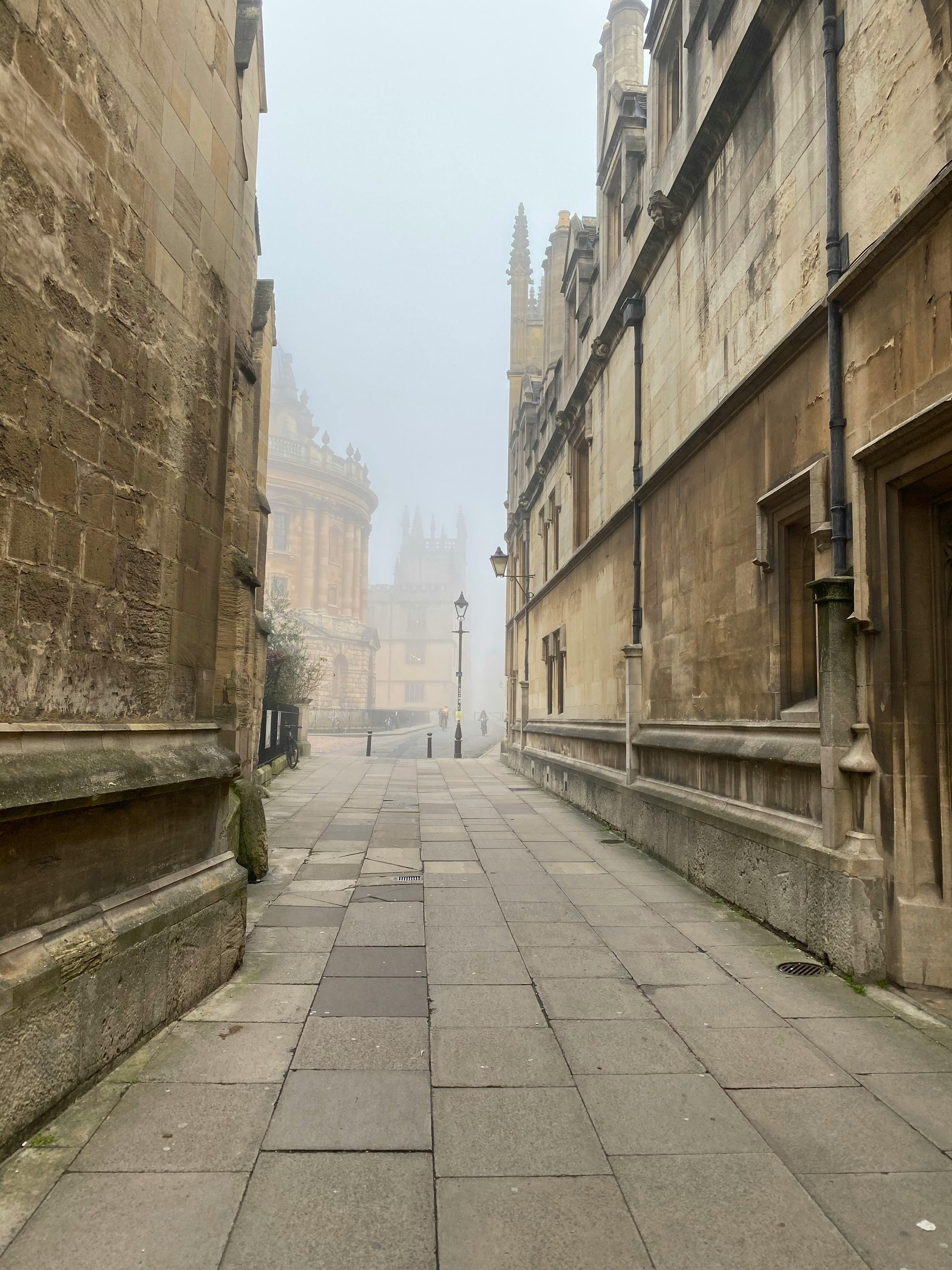
Embark on your journey to Oxford’s historic destinations today. Every corner holds a story waiting to be uncovered, and your adventure could be the next chapter in this timeless city’s ongoing narrative. So, pack your curiosity and set out to experience the rich tapestry of Oxford’s past—an experience that promises to inspire and enlighten at every turn.